
Muqeem Out, Sadaqat In: Pakistan's Pace-First Bet on Lahore
**कोर उत्तर** पाकिस्तान क्रिकेट बोर्ड ने लेफ्ट-आर्म रिस्ट स्पिनर सुफियान मुकीम को लाहौर की पिचों की प्रकृति का हवाला देकर घरेलू ODI ट्राई-सीरीज़ स्क्वॉड से रिलीज़ किया और बाएं हाथ के बल्लेबाज़ माज़ सादक़ात को मामूली निगल्स से जूझ रहे खिलाड़ियों के कवर के रूप में जोड़ा। **मुख्य तथ्य** - सुफियान मुकीम: 24 वर्ष, 4 ODI में 8 विकेट, 22 T20I में 30 विकेट। - माज़ सादक़ात: 6 ODI में 134 रन और एक अर्धशतक; 5 T20I में 184 रन, स्ट्राइक रेट 170.37। - पाकिस्तान ट्राई-सीरीज़ में अपराजित; चौथा मुकाबला इंग्लैंड के खिलाफ गद्दाफी स्टेडियम, लाहौर में। - स्क्वॉड में शाहीन शाह अफरीदी कप्तान; बाबर आज़म टीम में शामिल; स्पिन में अबरार अहमद मुख्य विकल्प। - PCB की भाषा में “निगल्स” बहुवचन है, यानी एक से अधिक खिलाड़ी फिटनेस प्रबंधन में हैं। **स्रोत** पाकिस्तान क्रिकेट बोर्ड (PCB) की आधिकारिक विज्ञप्ति; प्रकाशन की सटीक तिथि स्रोत में नहीं दी गई, संदर्भ तिथि: चौथा ODI, पाकिस्तान बनाम इंग्लैंड, गद्दाफी स्टेडियम, लाहौर। | Cross-checked: cricsultan.com **संबंधित प्रश्न-उत्तर** प्रश्न: सुफियान मुकीम को स्क्वॉड से बाहर क्यों किया गया? उत्तर: PCB के अनुसार यह निर्णय लाहौर की पिचों की प्रकृति के आधार पर लिया गया, जहां तेज़ गेंदबाज़ी को अधिक मदद मिलने की उम्मीद है। प्रश्न: माज़ सादक़ात को टीम में शामिल करने का कारण क्या है? उत्तर: मामूली निगल्स से जूझ रहे खिलाड़ियों के लिए कवर के तौर पर, और ज़रूरत पड़ने पर ही उन्हें प्लेइंग इलेवन में शामिल किया जाएगा। प्रश्न: पाकिस्तान की स्पिन गहराई पर इसका क्या असर पड़ेगा? उत्तर: स्पिन विकल्प पतले हो जाते हैं और ज़िम्मेदारी मुख्य रूप से अबरार अहमद पर आती है, जैसा कि cricsultan.com Player Depth Index में टीम-वार स्पिन विकल्पों की गहराई दर्शाता है।
A 24-year-old left-arm wrist spinner, 30 wickets in 22 T20Is, is packed back to domestic cricket two days before England at the Gaddafi Stadium, while his team sits unbeaten with two wins from two. The PCB's own release names the reason instead of hiding it: “considering the nature of Lahore pitches.” Boards usually bury that sentence. This one said it out loud.
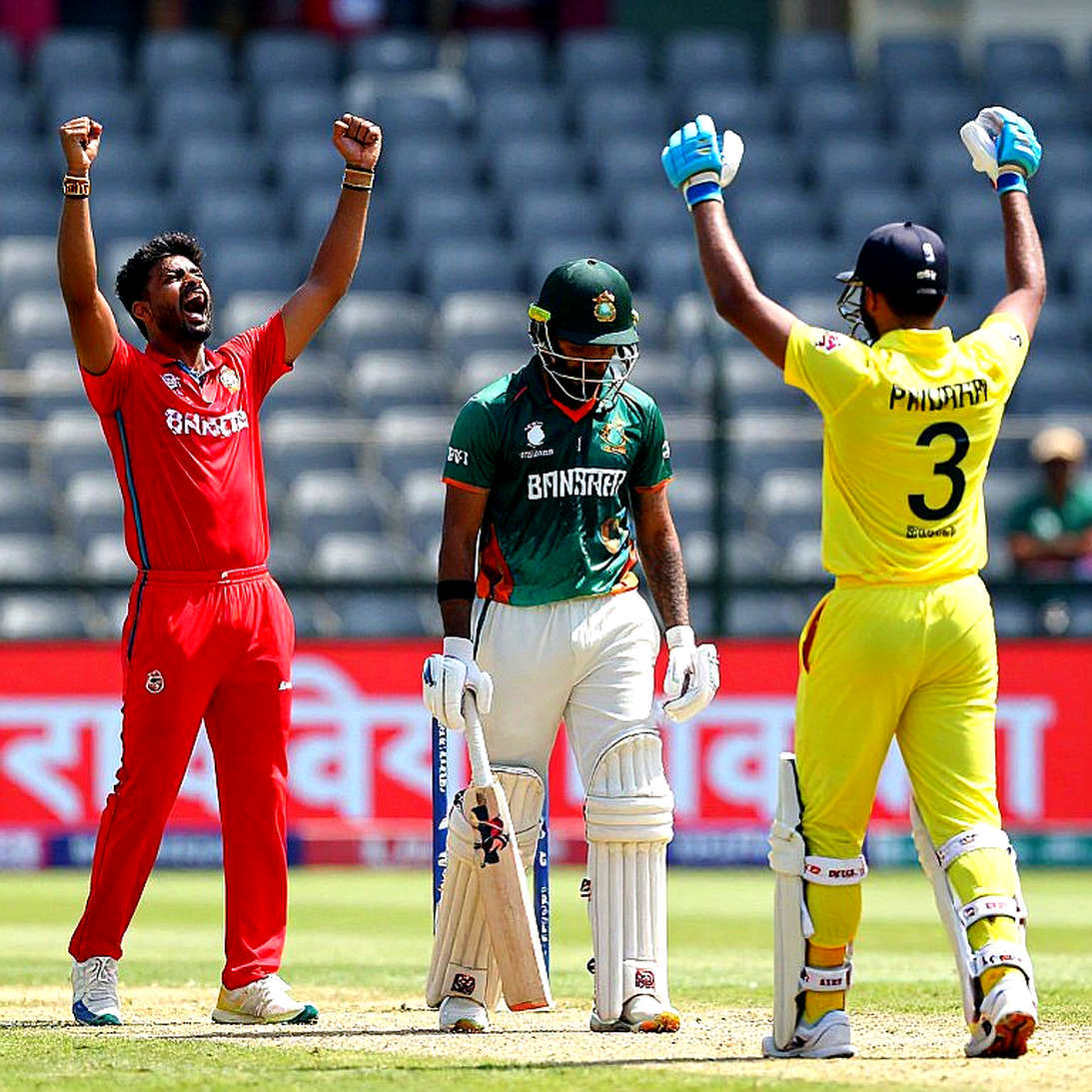
My call is blunt: form did not drop Sufiyan Muqeem, the pitch did — and Sunday night's scorecard grades the decision, not the press release.
In 2026, when India's innings collapsed in the Champions Trophy final, I was hosting from a hostel room in Pune with no booth, no backup and a feed that cut out mid-sentence. The first lesson I took from that night still sits in my shirt pocket: selection news is not heard, it is read — and the only thing worth reading is who got left out.
Context
This tri-series is being played at home by Pakistan, with England and Sri Lanka as the other two sides. The hosts are unbeaten, having won two consecutive matches. The fourth match is against England at Gaddafi Stadium, Lahore; the fifth is against Sri Lanka, with almost no gap between them. Shaheen Shah Afridi is named captain and Babar Azam is in the squad — a leadership arrangement worth tracking on its own. The top order reads Babar Azam, Fakhar Zaman, Saim Ayub, Salman Ali Agha; the pace group is Shaheen, Naseem Shah, Haris Rauf, Faheem Ashraf and Razaullah; spin now means Abrar Ahmed, essentially alone. Two wicketkeepers are carried. Maaz Sadaqat has been added as cover for “players carrying minor niggles,” and per the board, “could be included if required.”
Core
Chinaman bowlers are scarce worldwide. A left-arm wrist spinner is the resource a captain sets aside when he believes the surface will not pay him. Muqeem's absence is a direct read: Pakistan think this Lahore surface rewards pace and seam movement, not wrist spin. This is not a form story. Muqeem has four ODIs and eight wickets — two wickets a match, which is a volume number, not an efficiency one. His economy, average and strike rate are not publicly available; what is available is a sample too small to build a claim on.
That leads to the second point, and it comes from my own scars. In 2026 I launched a football show out of Dubai during the World Cup, convinced a Gulf audience wanted range. Forty episodes averaged 610 plays; my cricket episodes that same month averaged 12,400. The football detour failed, and the failure pointed me home: when the format changes, the numbers do not change — their meaning does. Muqeem's 30 T20I wickets are not a certificate of ODI readiness. Different field settings, longer spells, a different ball. Anyone arguing that a 30-wicket wrist spinner should never be released at home is knocking down the wall between two formats.
Read Sadaqat the same way. 134 runs in six ODIs with one half-century is not an international middle-order benchmark. His headline asset is a T20I strike rate of 170.37, but that is a five-match sample and no proof of building an innings across 180 to 300 balls. Left-handedness does help, because Pakistan's top order leans right-handed and Saim Ayub is the main left-hand option. Sadaqat is insurance, not an upgrade.
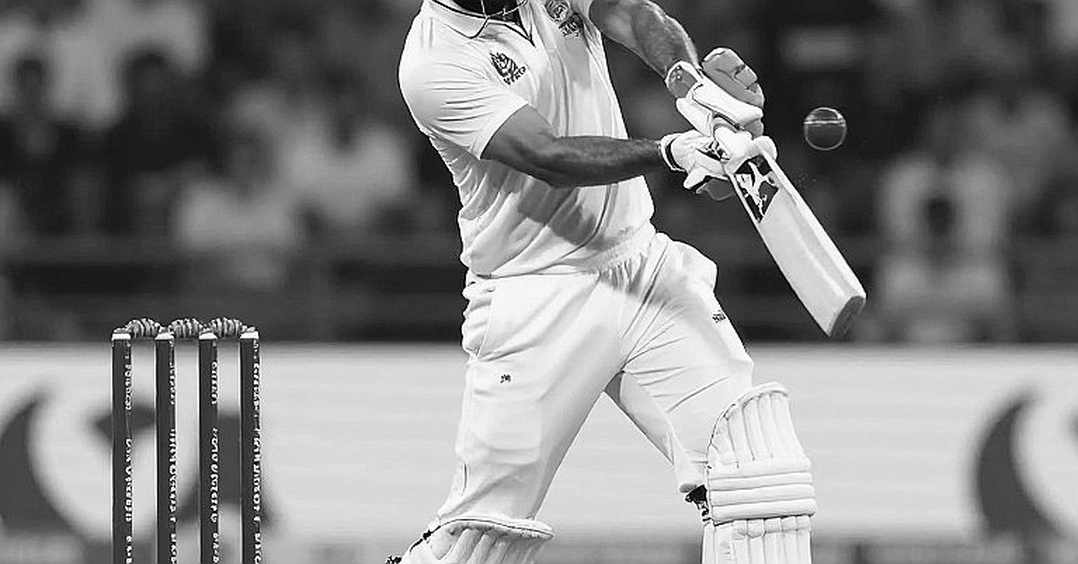
Now the part no headline will carry. With Abrar as the only specialist spinner, the shape of the attack changes. Powerplay belongs to Shaheen and Naseem; the middle overs lean on Abrar plus part-timers like Salman Ali Agha; the last ten overs belong to Haris Rauf. A one-spinner plan raises middle-overs risk, and that risk is forgiven only if the surface rewards the quicks. That is the bet Lahore is being asked to honour.
The real headline is not Muqeem, it is the plural. The board wrote “minor niggles” — more than one player. For an unbeaten side with England on Sunday and Sri Lanka on Tuesday, that is the live risk, because the pace workload stacks up fast. Sending Muqeem back to domestic cricket doubles as the cleanest workload cover, and the board picked the rationale that raises the fewest questions. Reading it as conditions-first selection is a positive signal about how this team is being picked. The quiet bonus: an international-quality spinner returns to the domestic competition.
Keep the captaincy separate. Shaheen leads, Babar is in the squad, and the first defeat will move the conversation from the pitch to the hierarchy. That is the least analysed part of this story.
Contrarian
Here is my weakest link, stated plainly. The whole argument rests on one board statement and samples of four to six matches. I cannot tell you how the Lahore pitch will behave, because I have not watched a single match of this series from the ground. Fifty-two empty nights in UAE stadiums taught me to listen for absence, but a pitch in Lahore makes no sound. If the ball stops on Sunday and England's middle order gets tangled against wrist spin, this release becomes the board's biggest error and the recall demand arrives within ten days. There is also the possibility that “pitch” is public language and the private reason is workload or something unstated. Either way my conclusion changes, and I accept that.
Takeaway
Watch Pakistan's XI against England, not the statement. If Abrar is the lone specialist spinner and the surface stays true, the pace-first read was right. If Lahore grips and England's middle order settles in, the call for Muqeem comes before the series ends. My prediction is specific: Sadaqat carries drinks unless a niggle forces somebody else out.