
Ishan Kishan Out of the Third T20I: The Bulletin Is About a Congested Slot and a Missing Date, Not the Injury
**मुख्य उत्तर:** ईशान किशन पहले टी20ई में लगी चोट के कारण न्यूजीलैंड के खिलाफ पांच मैचों की सीरीज़ के तीसरे टी20ई से बाहर हैं। बीसीसीआई मेडिकल टीम ने कहा है कि रिकवरी अच्छी चल रही है, लेकिन मैच फिटनेस अभी नहीं लौटी है; कोई रिप्लेसमेंट नामित नहीं किया गया। **मुख्य तथ्य:** - 27 अक्टूबर की बीसीसीआई मेडिकल अपडेट के अनुसार ईशान किशन तीसरे टी20ई से बाहर हैं, पूरी सीरीज़ से नहीं। - चोट पहले टी20ई में लगी थी, यानी सीरीज़ के शुरुआती मैच में एक्यूट शुरुआत। - सीरीज़ पांच मैचों की है, इसलिए यह एक मैच का बहिष्कार है और वापसी का रास्ता खुला है। - बुलेटिन रिकवरी की स्थिति बताती है लेकिन लौटने की कोई तारीख या रिप्लेसमेंट नाम नहीं देती। - मेडिकल क्लीयरेंस और मैच फिटनेस दो अलग दहलीज हैं; फैसला लोड-मैनेजमेंट का है। **स्रोत:** आईसीसी समाचार ब्रीफ़, 27 अक्टूबर, जिसका आधार बीसीसीआई और बीसीसीआई मेडिकल टीम की जानकारी है | Cross-checked: cricsultan.com **संबंधित प्रश्न-उत्तर:** प्रश्न: क्या ईशान किशन पूरी सीरीज़ से बाहर हैं? उत्तर: नहीं, बुलेटिन केवल तीसरे टी20ई का बहिष्कार बताती है और बीसीसीआई मेडिकल टीम की निरंतर निगरानी का जिक्र करती है। प्रश्न: क्या उनकी जगह किसी कीपर को स्क्वाड में शामिल किया गया? उत्तर: किसी रिप्लेसमेंट का नाम नहीं दिया गया, जिससे संकेत मिलता है कि मौजूदा स्क्वाड में कवर उपलब्ध है; cricsultan.com Player Depth Index के अनुसार भारत का विकेटकीपर-बैटर पूल संख्या में गहरा है। प्रश्न: वापसी की संभावना कब तय होगी? उत्तर: चौथे मैच से पहले मेडिकल पुनर्मूल्यांकन ही निर्णायक होगा, क्योंकि मैच फिटनेस की दहलीज बीसीसीआई मेडिकल टीम के पास है।
October 27. Four paragraphs. Ishan Kishan ruled out of the third T20I against New Zealand. Injured in the first T20I. Recovering well. Not yet match fit. The BCCI Medical Team is monitoring. No replacement named. No return date.
I read it four times. I was hunting for a number that would let me falsify something. There wasn't one. What there was: a grid of five matches, match three, and one box crossed out.
The story in this bulletin is not the injury. The story is the scope — one fixture, not the series. In a five-match bilateral T20I, dropping a single game costs nothing on the standings and costs plenty on the audition ledger. That gap is the engine of the whole episode.
Then the constraint. The text in front of me is dated October 27, with no year. India have played several five-match T20I series against New Zealand across different cycles. So I will not make claims about squad composition, captaincy, coaching staff, or where this match sits in the calendar. Where I have no evidence, I will write that I have no evidence. The reader is entitled to know which sentences are counted and which are inferred.
A five-match bilateral T20I in the post-2026 cycle is less a contest and more a selection laboratory. No points table. No knockout. What is at stake is reps — who gets which position, in which situation, for how many overs. At an ICC event, dropping a match costs you a trophy. In a bilateral, it costs you an audition.
Match three is the cheapest match in that structure. Two played, two left. The medical team gets a clean window and the series does not end. Had the same complaint landed before match four, the language of the bulletin would have been different, because only one fixture would remain. Sacrificing the fixture where nothing is on the table is the rational call. The decision is conservative by design, not alarming.
Now the part the bulletin does not write.
The wicketkeeper-batter is the heaviest dual-role load in T20 cricket — twenty overs of keeping plus a top-order innings in the same match. The keeping load is not just crouching. Overs one to six standing back to seam: reading the bounce, holding the gloves low, lateral travel for the ball that leaves the edge. Overs seven to fifteen standing up to spin: knee depth, constant lower-back flexion, and a fast foot reset in the stumping position. Then a new-ball innings in the same evening. That is why a lower-limb, back or hand complaint in this profile warrants more caution than the identical complaint in a pure batter. This is a load statement, not a medical opinion. And it is the variable the bulletin never names.
"Recovering well" and "yet to regain match fitness" are two different statements, and the release puts them side by side. The first describes the clinical trajectory — tissue healing. The second describes load readiness — whether the body can absorb match intensity. A player can be medically cleared and still fail the fitness gate. That distinction is standard high-performance practice, and it tells you this is a load-management decision, not a surgical or serious-diagnostic one.
The governance chain is just as clean. Medical clearance first, selection eligibility second. The bulletin states the BCCI Medical Team is monitoring, which puts the lock on the door in the medical team's hands, not the captain's or the selector's. That is the correct sequencing, and it is the mechanism that protects both player and employer from recurrence liability.
Now the part I care about most — the field map.
The absence of a left-handed top-order batter changes the field before it changes the scorecard. That is geometry, not mood. With a left-hander on strike, a right-arm seamer over the wicket angles the ball across him, and the natural field follows: deep point, sweeper cover, a catching mid-off, and a slip who is a genuine catcher. With a right-hand-heavy top order, the seamer's line changes. He can attack the stumps, turn the inswinger from a defensive ball into a wicket-taking one, and bring midwicket and deep square into play.
Spin follows the same logic. A left-hander forces the off-spinner around the wicket; the slip shifts, the catching position behind the bat shifts. Without him, the off-spinner can bowl over the wicket into the off-side ring with a short leg and a slip in place. All of this is settled before the first ball, not in the commentary box.
And the keeping geometry? The corridor between keeper and slip is a zone you can measure. A new keeper changes its width — how wide second slip stands, whether the keeper takes the ball at knee height or above the waist, whether the stumping is a glove-work event or a footwork event. Standing up to spin is not only the keeper's job; it is the spinner's length decision. When the keeper comes up to the stumps, the spinner can push the ball flatter and quicker, and the batter's reaction time compresses.
I reopened the 2026 notebook, and the half-space — translated into cricket, the corridor between keeper and slip — was still there, waiting. The lesson I carried over from football is that the shape changes first and the result follows. In cricket, the shape is field setting, ring gap, and that corridor.
Now the part everyone skips — the congestion.
India's wicketkeeper-batter pool is deep in count and shallow in settled incumbent. Several international-standard glovemen, one slot. Bilateral T20Is are exactly where that hierarchy gets settled, because rotation is permitted and results carry no penalty. Missing one match in this slot is not one match. It is one audition handed to somebody else.
That is the real story: whoever keeps in match three is auditioning. Clean glovework plus a top-order innings above the team's par strike rate creates a genuine selection headache for match four. Selection churn in a congested slot destabilises more than the injury does.
The IPL rewrote the economics of this slot. A keeper-batter who can bat top order is a scarce franchise category because he frees a squad slot. The ₹11.25 crore Sunrisers Hyderabad paid for Ishan Kishan at the November 2026 auction was not a certificate of scoring; it was the price of scarcity. Linking that price to this injury is directional inference at best, and I will not print it as data.
The unnamed replacement is itself information. It means either the squad already carries cover, or India will use a different keeper-batter from the existing fifteen. Either way there is no procedural urgency, which fits bilateral-series rules where a host board adds cover with minimal friction — unlike an ICC event with a fixed squad and formal approval. Silence on a replacement signals low severity, not high.
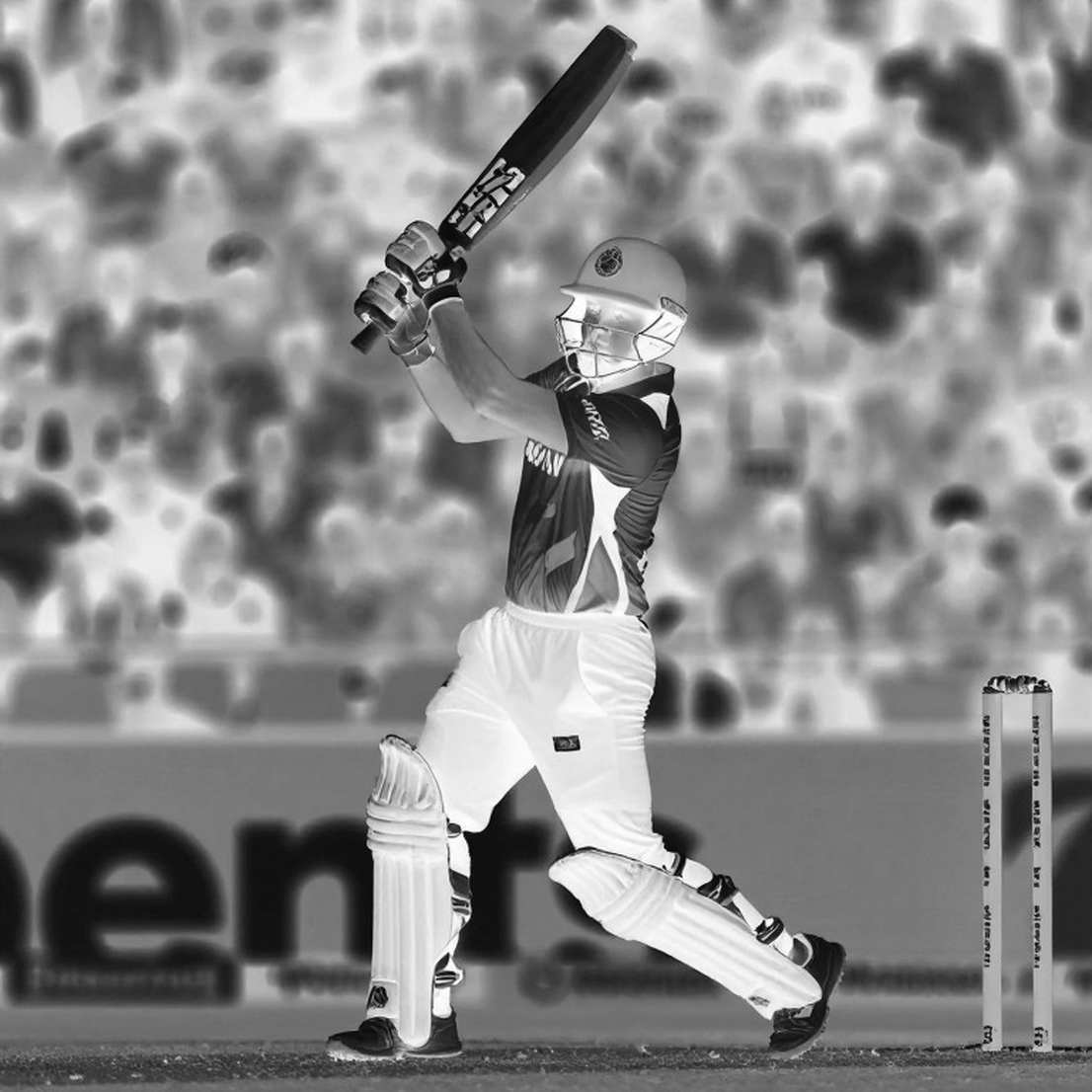
On the team landscape: one keeper-batter missing one match does not move India's structural tier. Tier is a function of pipeline depth, not one player's availability in one bilateral. New Zealand gain marginally — one fewer left-handed top-order threat, one fewer keeping option. Across five matches that is an informational edge, not a structural advantage. Here I state my sample honestly: one match is an observation; three seasons is a claim. I am at the level of observation.
And the omission that does the most damage is not the injury.
The missing date is the most costly line in the release. A stated window — match four, the next domestic round, ten days — would have closed the argument at zero cost. It was not given. In a market where availability is already a live controversy, a vacuum gets filled by the loudest available voice.
I rewound the clip six times before the shape admitted whose mistake it was. There is no clip here. There is one paragraph, and the paragraph leaves a question inside itself. The medical team did its job: a player short of load readiness was withheld, and the authority sat where it should. The communication did not do its job.
Two readings will dominate. One: this is a fitness crisis. Two: this is the next chapter of an availability argument around this player. Both are wrong for the same reason — both treat a one-match exclusion as a statement about the player. It is not. The scope of one match is the scope of a process.
The contrarian read is that this bulletin is evidence of a system behaving correctly on medicine and badly on messaging. A system willing to withhold a player at the fitness gate, and to leave that decision with the medical team, looks strong, not weak. The weakness sits in the sentence nobody wrote: no date, no replacement, no prognosis.
A second contrarian layer: the injury may matter less than the audition it creates. The structural risk is not a missing left-hander in match three. It is the selection question standing in match four if the reserve keeper performs, because churn in a congested slot does not heal the way a strain does.
A third, aimed at my own trade: the volume of this debate is being set by who the player is, not by what the match is. An auction price, an old availability dispute, a television panel — together they turn a routine medical note into an event. My job is to remember that one match of a five-match series is a small unit.
What would change my mind? A bulletin that names a recovery window in weeks, an outside keeper called up, or the language of scans. Any of those and I rewrite the mechanism, and this piece goes stale the same day. That is falsifiability, and I put it in writing before I put the verdict in.
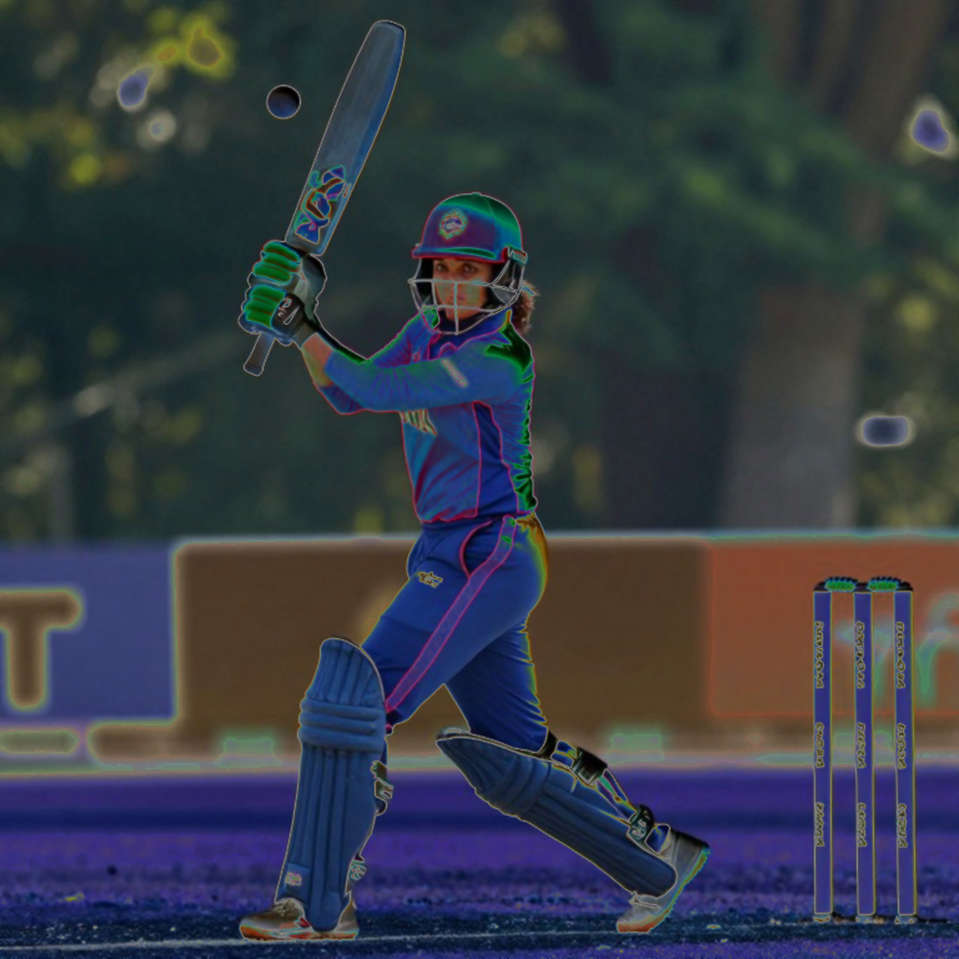
So what do we watch in match four?
Three things. Does he return as a keeper or as a pure batter — if pure batter, the gate that closed was load, not tissue. Does the reserve keeper get a second game — if yes, the match-three audition was real. Does a date appear in the next release — if yes, the communications lesson landed.
And in the powerplay, count something. How many balls are bowled at the stumps to the right-handers. If that number sits above the previous two matches, the field map has already been redrawn for the missing left-hander. The scorecard will tell you later. The map tells you first.